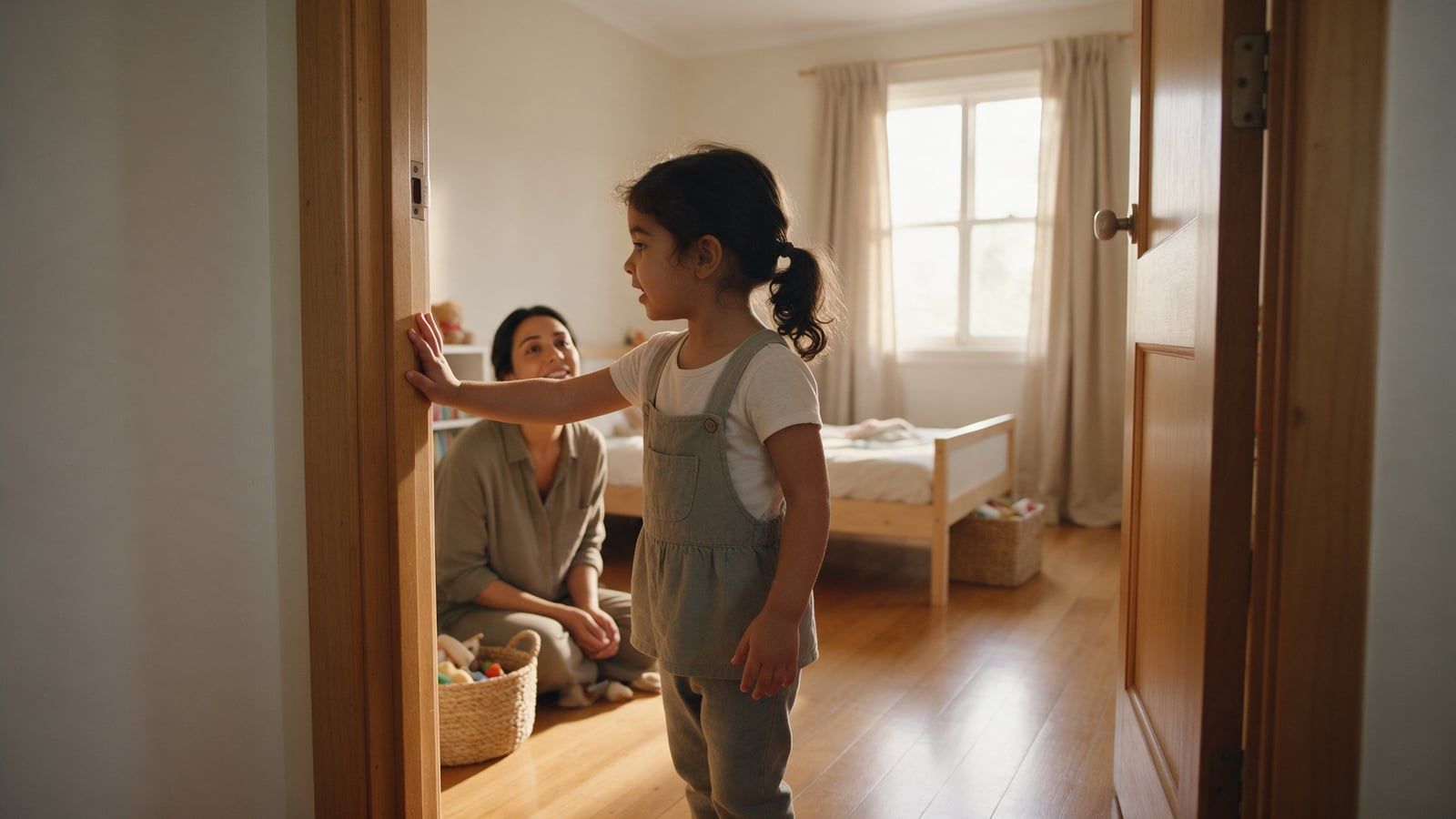


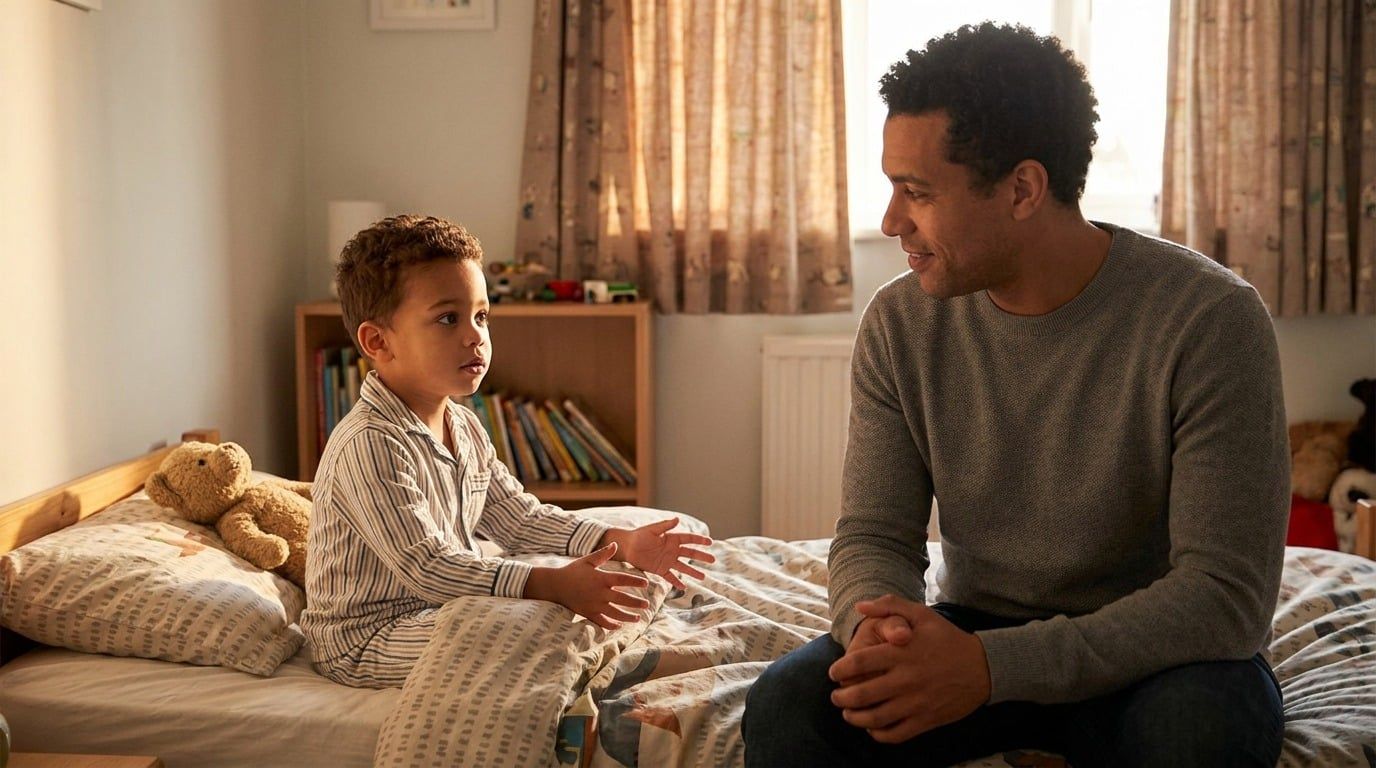
The kitchen clock says five thirty, it's still dark outside, and your child is standing next to your bed, wide awake. Yesterday at this time they were fast asleep. This morning, as far as they're concerned, it isn't five thirty. It's six thirty, the time they always get up. The only thing that has changed at home is the time on the clocks.
In other homes it goes the other way. The clocks go forward, and the child who used to fall asleep at eight thirty tosses and turns with eyes wide open, because their body thinks it's seven thirty. And if you live somewhere the clocks never change, all of this still applies to a trip across time zones, a school with a different schedule, or sleep when the school year ends.
Why one hour makes such a difference
A young child doesn't look at a clock to know whether it's night. They carry their own clock inside, set mainly by light and by what happens at the same times every day: when they get up, when they eat, when they go outside, when they have their bath. When the clocks change, the clock on the wall jumps all at once and the body's clock stays where it was. For a few days, sleepiness, hunger and the urge to play arrive an hour earlier or an hour later than the clocks at home say.
The clock change has been little studied in young children, so what follows combines what is known about the body clock in general with what families and pediatricians report.
The mismatch usually lasts a few days, and in some children it stretches to a couple of weeks. It normally isn't a regression, and it doesn't mean anything is wrong with their sleep. There will be the odd bad night along the way, and that's to be expected. If after two weeks they're still sleeping clearly worse than before, talk to their pediatrician, who will also look at other causes. Check with them, too, before considering melatonin or any other supplement.
Light sets the direction
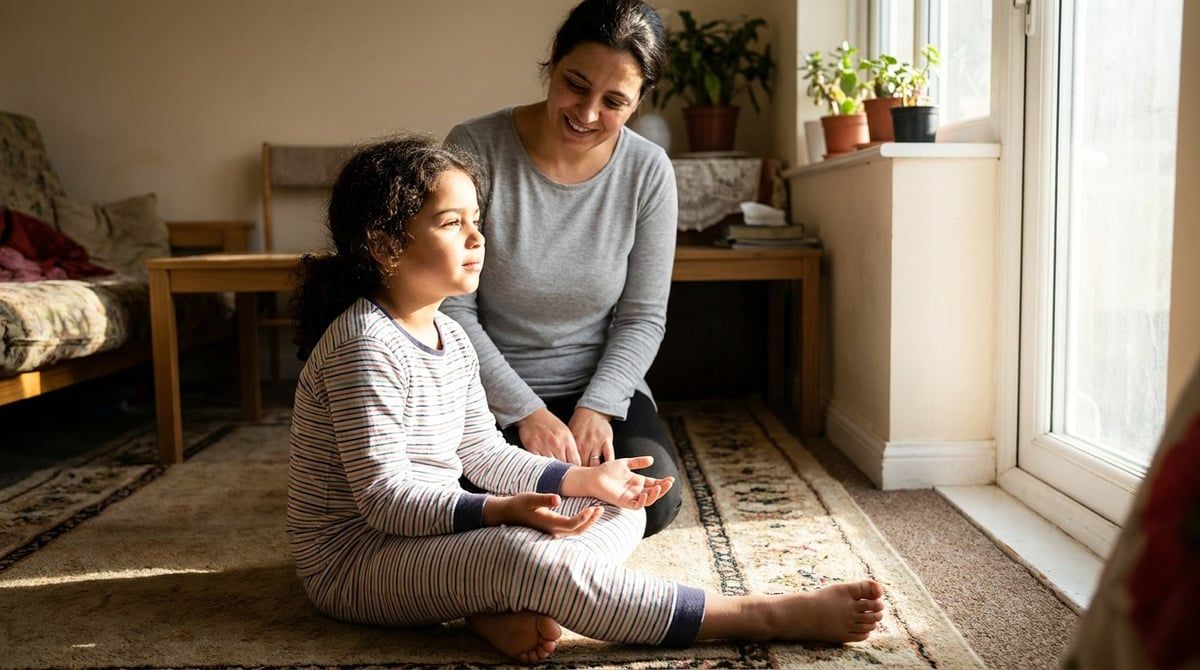
Light is one of the strongest signals for setting the body clock. Morning light moves it earlier, and afternoon and evening light moves it later. That's why the advice depends on which way the clocks have moved. Meals and outdoor play at the new times can help too.
What to do depending on which way the clocks move
If the clocks go back, your child wakes up an hour earlier than the clock says and gets sleepy earlier than expected in the evening. In the morning, try to keep that first hour quiet, with the lights at home low, so the body doesn't take it as the start of the day. If there's no way to manage it, that's fine; it's only a few days. In the afternoon, light and movement help them last until bedtime by the new clock. If they're falling asleep on their feet at seven, put them to bed a little earlier that night and then move bedtime later in small steps.
If the clocks go forward, the hard part is falling asleep at the new time, because the body thinks there's still an hour of daylight left, and then getting up. In the morning, plenty of light as soon as they wake (if it's still dark outside, turn on the lights at home) and, if you have to wake them to get to school, do it gently. In the evening, dimmer, warmer light for a while before bed and, if possible, no screens. Don't expect them to fall asleep right away. If it takes a while, stay with them while they wait, without extra conversation or extra play.
All at once or little by little
There are two ways to go about it, and both are reasonable.
The first is to live by the new time from day one: dinner, bath and bed by the new clock, and wait for the body to catch up. It's the simplest to organize, and it keeps you in step with everyone else, school included.
The second is to move dinner, bath and bed by the same quarter of an hour each day toward the new time: later if the clocks go back, earlier if they go forward. Four steps of that size make up the full hour. You can start a few days before the change or, if it has already happened, shift things gradually afterward. Many families whose child struggles with change find this easier to manage, although it takes more planning.
The nap, if your child still takes one, shifts along with the rest of the day. In young children there's no clear evidence that one approach works better than the other, so choose the one that suits your home and the child you have.
What stays the same
Young children recognize night by what comes before it: the bath, dinner, pajamas, the story, the lights going down. When the clocks change, you only need to move the starting point a little. Everything inside the routine can stay as it is, in the same order and with the same goodnight words.
If you don't have a bedtime routine yet, our article on the bedtime ritual shows you how to build one.
A goodnight to the day that doesn't watch the clock
A good example is Thank You for Today. Acorn, a small and very lively squirrel, doesn't want to go to sleep. He thinks his toys still want to keep playing with him. Grandma doesn't ask him to stop. She suggests he say goodnight to each one, remembering something good they did together that day, and Acorn says goodnight to his yarn ball, his bear, the rocking chair and his pillow. In the end it's Grandma who says goodnight to him, and their chests rise and fall together.

Thank You for Today
A Bedtime Story
Acorn is a little squirrel bursting with energy who, at bedtime, feels that his toys still need him to keep playing. Instead of telling him to stop, Grandma Squirrel suggests a special agreement: say goodnight to each toy, remembering all the fun they had together during the day. Little by little, Acorn discovers that taking care of his toys is also a way of taking care of himself.
Read this children's story in the Semillita app