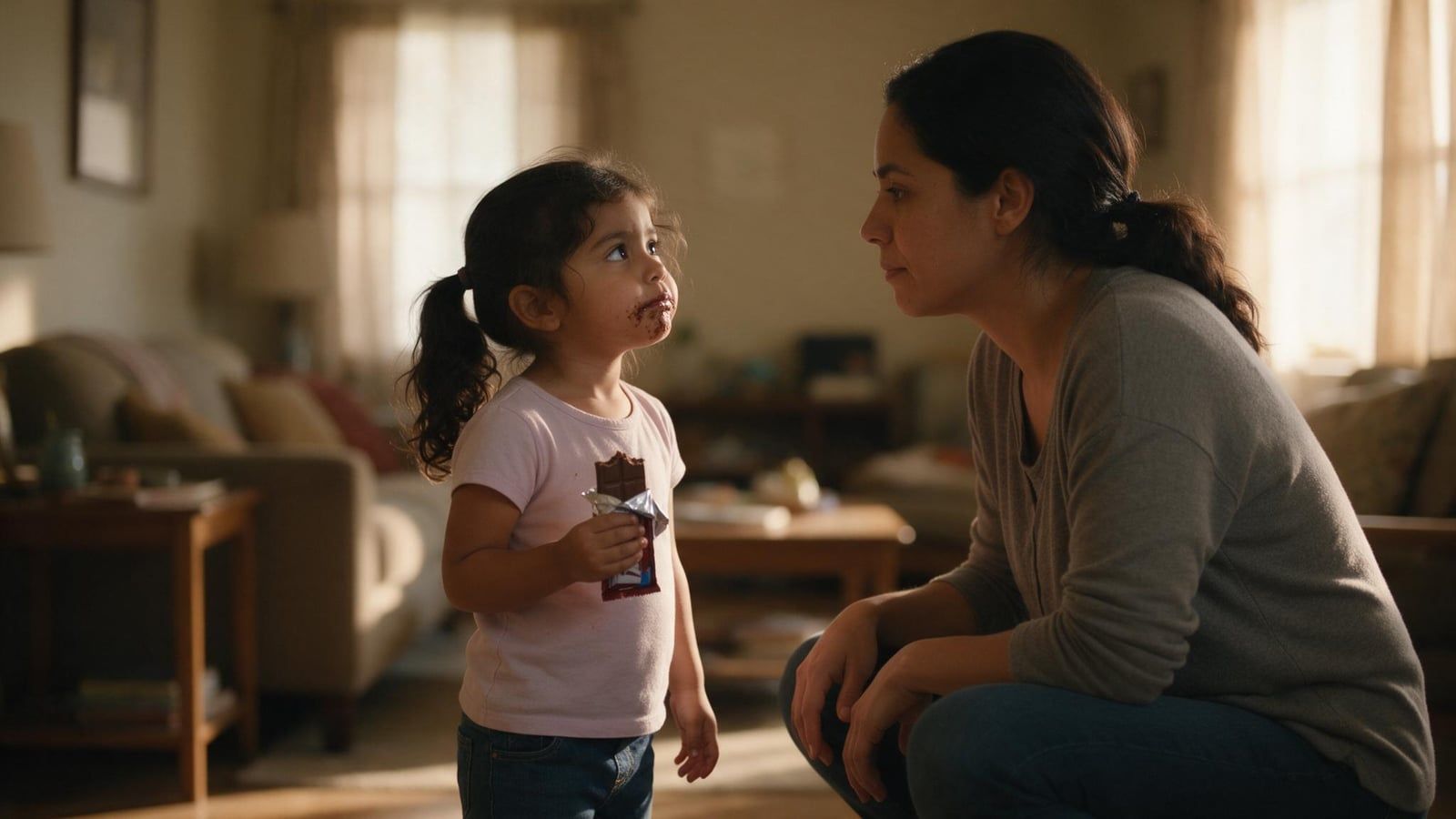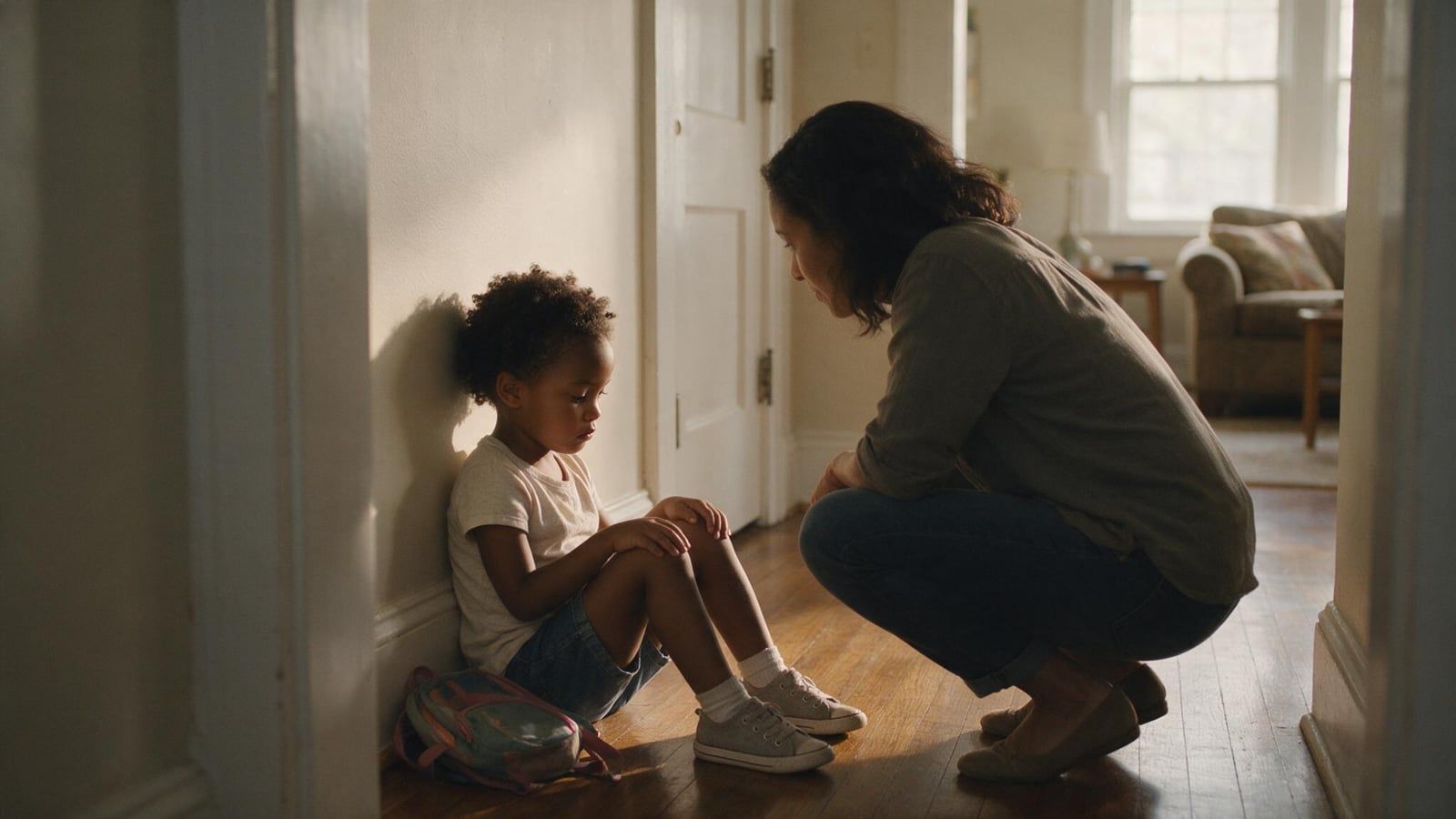



If you've come here from the article about the bedtime ritual, you probably recognize the scene: it's not that your child can't calm down to sleep. It's that they flatly refuse. They negotiate, cry, get up, ask for water, need another hug. And they do it with a puzzling conviction.
The good news is that this isn't a sleep problem. It's an autonomy problem. And it has a name: the 'no' phase.
What is the 'No' Phase and Why it Happens
Between approximately 18 months and 3 years, most children discover something extraordinary: that they have a will of their own and can express it. The word 'no' becomes their favorite tool because it's the most powerful one they've found so far. With a single syllable, they can stop the adults' world.
This isn't disobedience. It's development.
What Doesn't Work
- Giving in always: teaches the child that 'no' has unlimited power.
- Imposing always: only suppresses the need for autonomy, which will reappear later as tantrums.
- Reasoning in the heat of the moment: during conflict, the logical part of the child's brain is unavailable.
What Does Work: Guided Autonomy
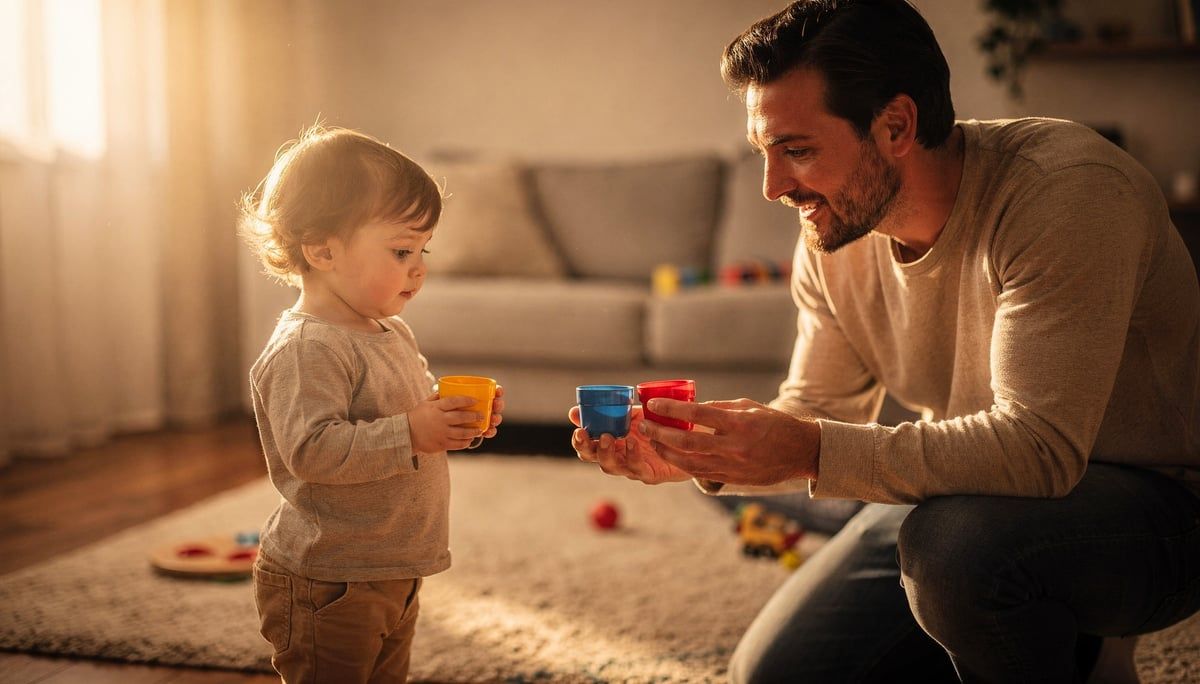
The key lies in satisfying the real need behind the 'no' — the desire to choose — without giving up limits. The most effective tool is closed options: instead of asking 'Do you want to put on your pajamas?', we ask 'Do you want the blue pajamas or the dinosaur ones?'.
Other Helpful Strategies
- Anticipate instead of ordering: 'In five minutes we leave' works better than 'Leave now!'.
- Name the feeling: 'I see you don't want to leave the park. It's frustrating to have to go'.
- Give them a starring role: let the child turn off the light or put the toothpaste on the brush.
The 'No' Phase at Bedtime
When a child refuses to go to bed, the need for autonomy clashes with tiredness. The solution isn't to eliminate the ritual — it's to integrate it. Let the child choose the story, decide which toy to say goodnight to, or choose if the light is turned off completely.

Not Without My Sweater
The Superpower of Choosing
It's a rushed morning at Leo's house. His parents have picked out his clothes, but Leo doesn't want to put them on — he wants his favorite sweater, even though it's really hot outside. The more they explain and hurry him, the louder his “no” becomes. Until someone stops, gets down to his level, and truly sees him.
Read this children's story in the Semillita appIn the next article we talk about tantrums: what really happens in your child's brain and why what you do matters more than you think.