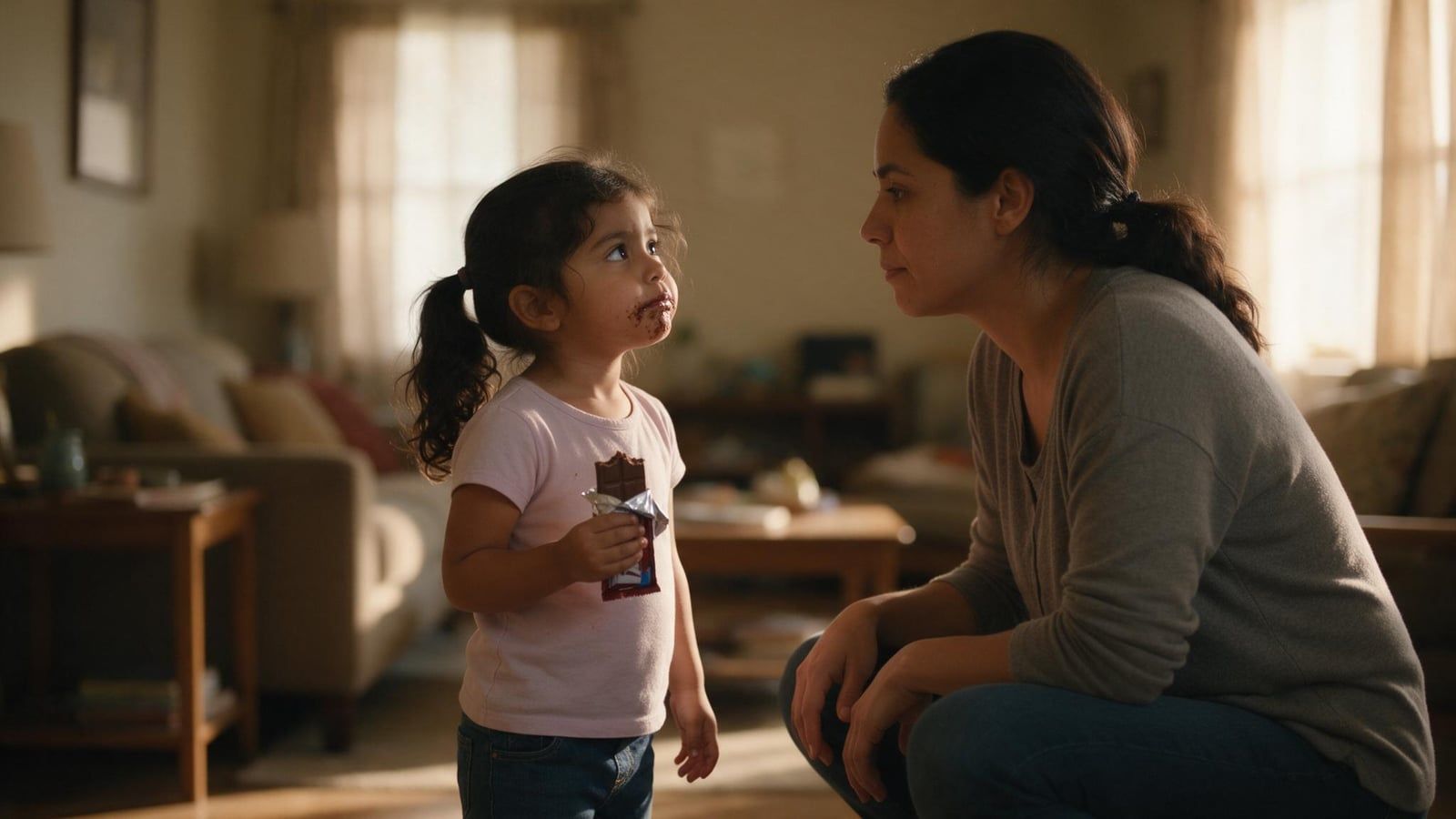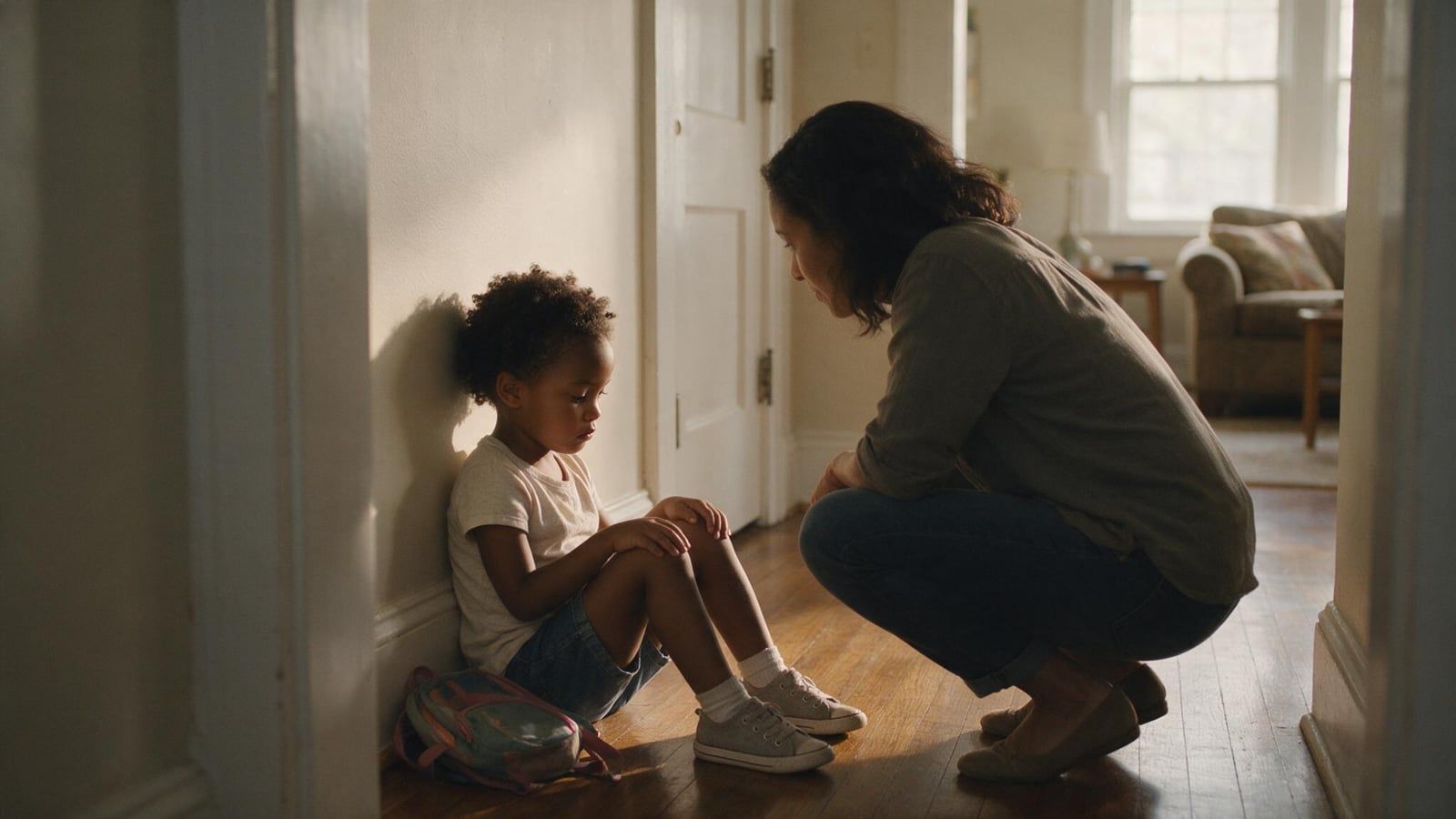


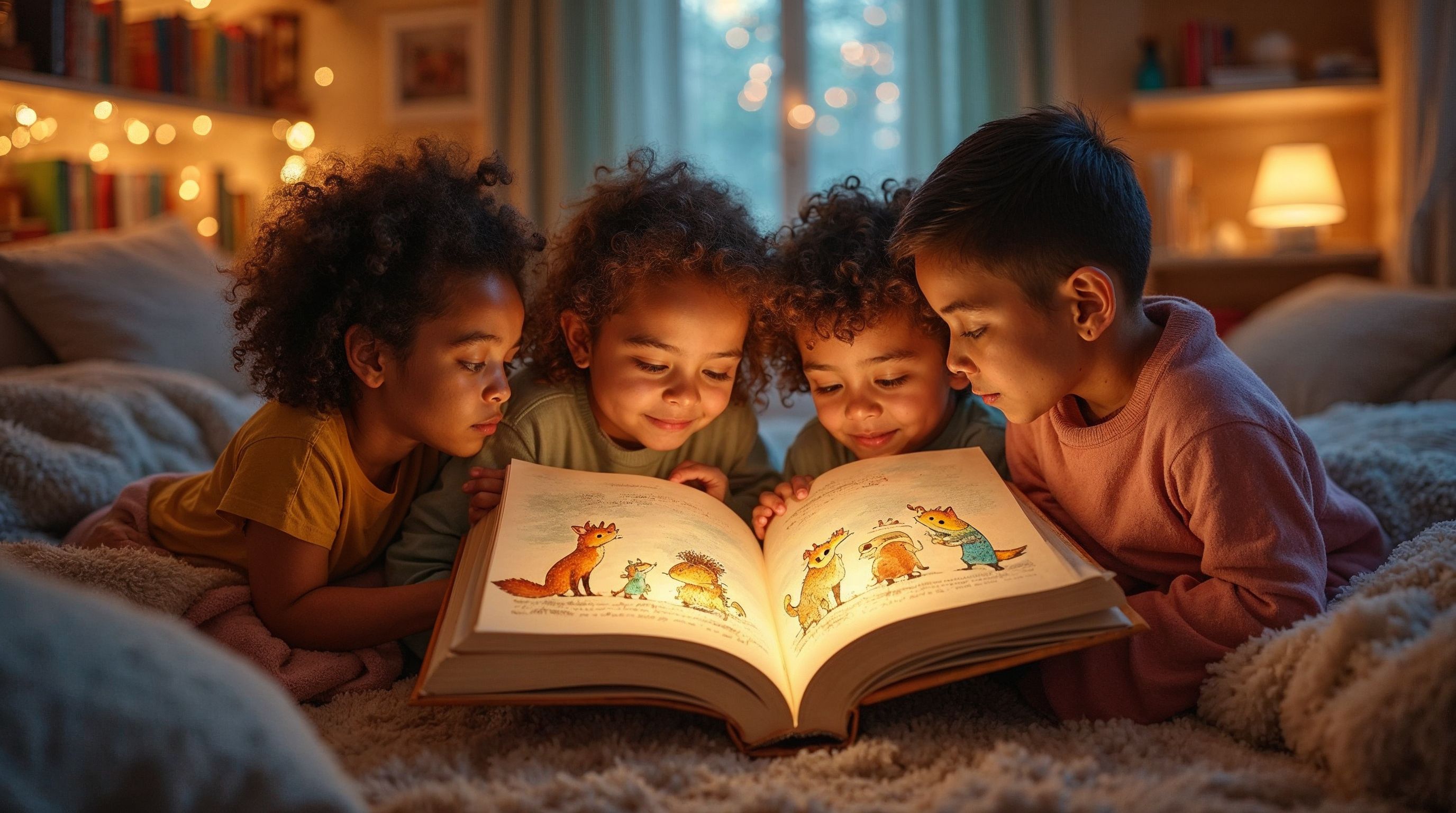
When a child listens to a story, they receive more than just a narrative. They receive a mirror where they can see their own emotions reflected in characters who, like them, feel fear, joy, sadness, or anger.
Why are stories so effective for emotional education?
The answer lies in how the child's brain works. Before the age of 7, children learn primarily through narrative and emotional experience, not through direct instruction. A story simultaneously activates the language, memory, and empathy centers of the brain.
1. Emotional vocabulary: naming what you feel
One of the greatest gifts you can give a child is expanding their emotional vocabulary. A child who only knows "I'm sad" or "I'm angry" has few tools to communicate what they're experiencing. Stories introduce nuances: frustration, disappointment, nostalgia, pride, shame. When a story character says "I feel ashamed to ask for help," the child gains a new concept to recognize that feeling in themselves.
2. Empathy: feeling what others feel
Empathy develops when children learn to put themselves in someone else's shoes. Stories offer a unique opportunity for this: the child identifies with the protagonist, shares their joys and fears, and learns that others also have a complex inner world. Questions like "How do you think the character felt when...?" turn the story into an exercise in emotional perspective-taking.
3. Conflict resolution: seeing that problems have solutions
Well-designed stories show characters who face difficulties and overcome them, not by magic but through choices, courage, or asking for help. This narrative arc teaches resilience: problems are part of life and can be solved. A child who has seen a character overcome their fear of the dark has a mental model for facing their own fears.
How to make the most of storytime
The story doesn't end when you close the app or book. The conversations that follow are where most emotional learning happens. Some questions that work particularly well: Which character did you like most and why? Was there a moment that made you feel sad or nervous? What would you have done in their place?
At Semillita, we design every story with these dimensions in mind: age-appropriate emotional vocabulary, narrative arcs that model resilience, and characters children can genuinely identify with. Because we believe the best stories don't just entertain; they truly accompany.