


Marina and the Color of the Sea
Colors have no gender
Read this story in the app
Stories are only read in the mobile app. Scan the QR to open this same page on your phone.
Tap to open the story if you already have the app. Otherwise, install it first.


How the story begins
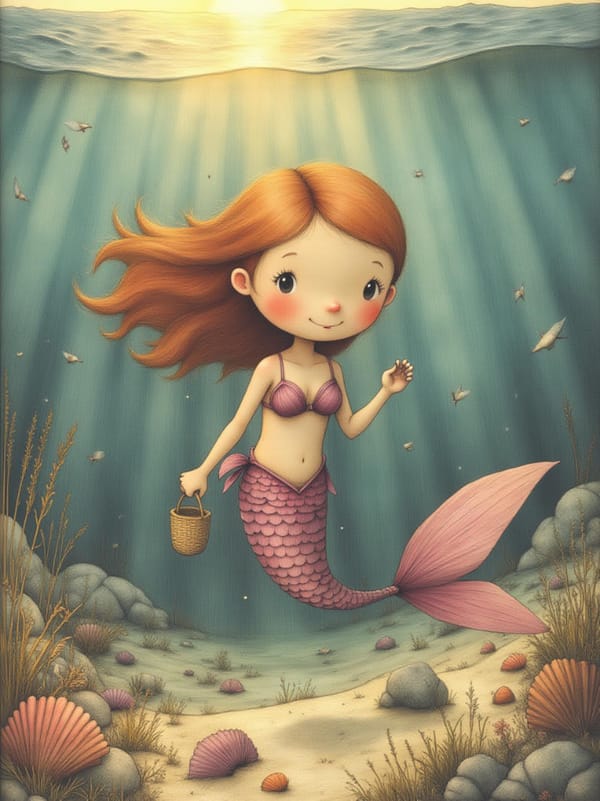
Marina was a mermaid with a pink tail who lived in the crystal-clear sea. She loved collecting blue shells from the ocean floor. She kept them in her special pouch and watched them sparkle in the sunlight.
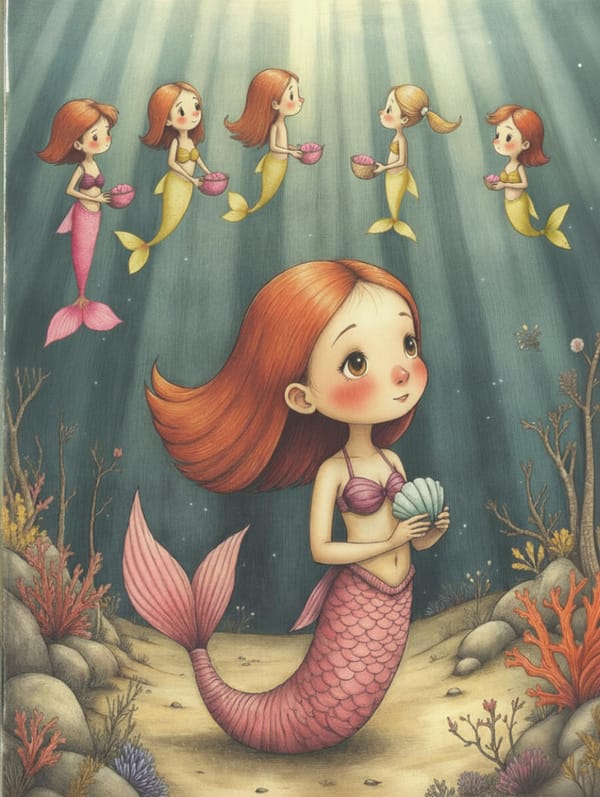
One day, the other mermaids were playing at decorating their tails with pink seaweed. Marina arrived with her blue shells. Everyone looked at her strangely. “Why do you like blue if you have a pink tail?” they asked. Marina didn't know what to say.
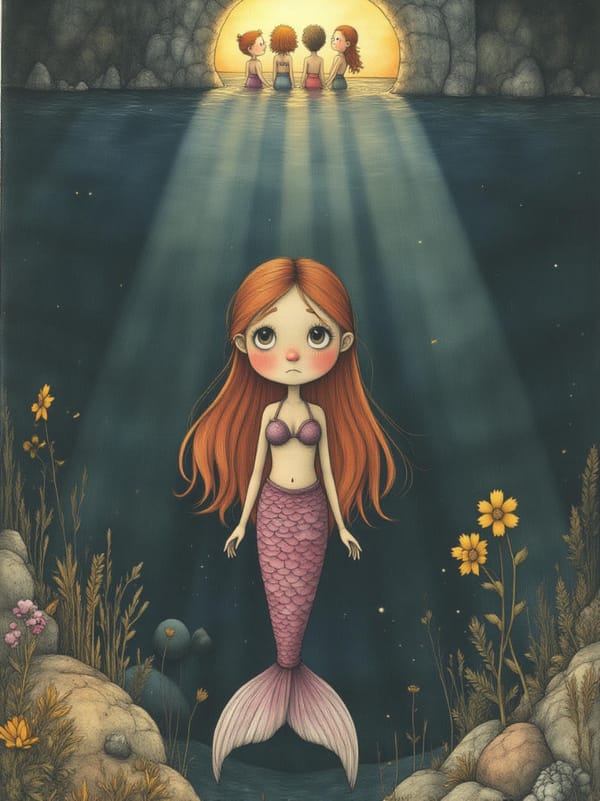
The mermaids swam away together, laughing. Marina was left alone, feeling a lump in her throat. “Why am I so different?” she thought. She felt sad and confused.
Want to know what happens next? Read and listen to the full story in the free Semillita app — no ads.
Guide for families
💭 What is this story about?
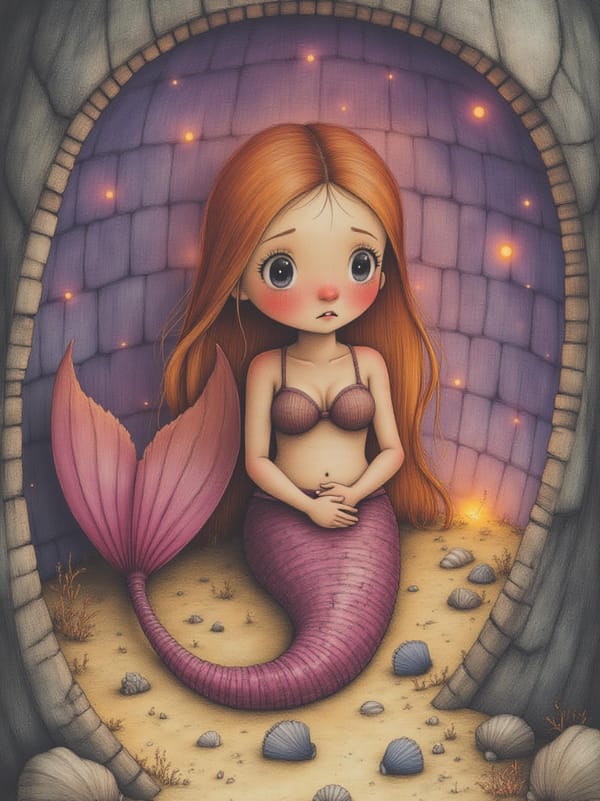
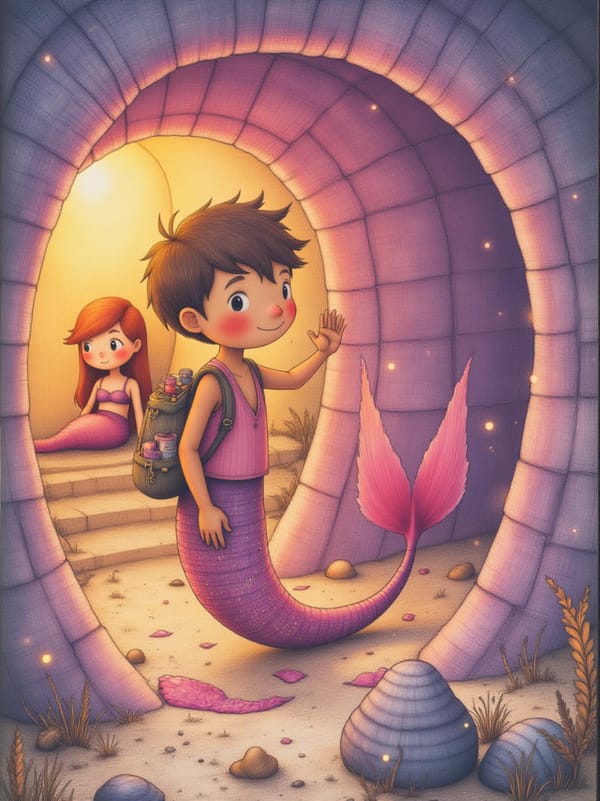
Marina is a young mermaid who loves the deep blue of the sea, but other mermaids exclude her because they say “blue is for boys.” Feeling lonely, she finds refuge in a giant seashell where she meets Suno, a merman who loves pink and sparkly things. He is also excluded by other children for his preferences. Together they discover that colors are just that: colors, and that everyone can enjoy what makes them happy regardless of what others say.
🧠 What will children learn?
- Colors, toys, and interests have no gender
- It's okay to have your own preferences even if they're different
- Friendship comes from genuine connections, not following social rules
- Courage to be yourself despite group pressure
- Empathy toward those who are excluded for being different
- Respecting differences enriches our relationships
🤝 How to continue this conversation?
- “Do you have a favorite color? Why do you like it?”
- “Do you think there are 'boy colors' and 'girl colors'? Why?”
- “Has anyone ever told you something wasn't for you? How did that make you feel?”
- “What would you do if a friend made fun of something you like?”
- “Do you know someone who has different interests than you? Can you still be friends?”
- “If Marina and Suno came to your school, would you play with them?”
🎯 Educational approach
This story addresses gender stereotypes in a natural and accessible way for young children. Instead of preaching, it shows the emotional consequences of exclusion and the joy of finding acceptance. The central message—that personal interests are valid regardless of gender—is conveyed through the experience of two characters children can identify with. The story normalizes diversity of preferences and encourages critical thinking about arbitrary social “rules,” empowering children to be authentic.
More stories you might like


