⚠️ Avisos de contenido
Esta historia toca temas de autonomía corporal y presión social. Si un niño comparte situaciones donde se siente presionado de formas que le preocupan, es importante escuchar con atención y, si es necesario, buscar apoyo adicional.
💭 ¿De qué trata esta historia?
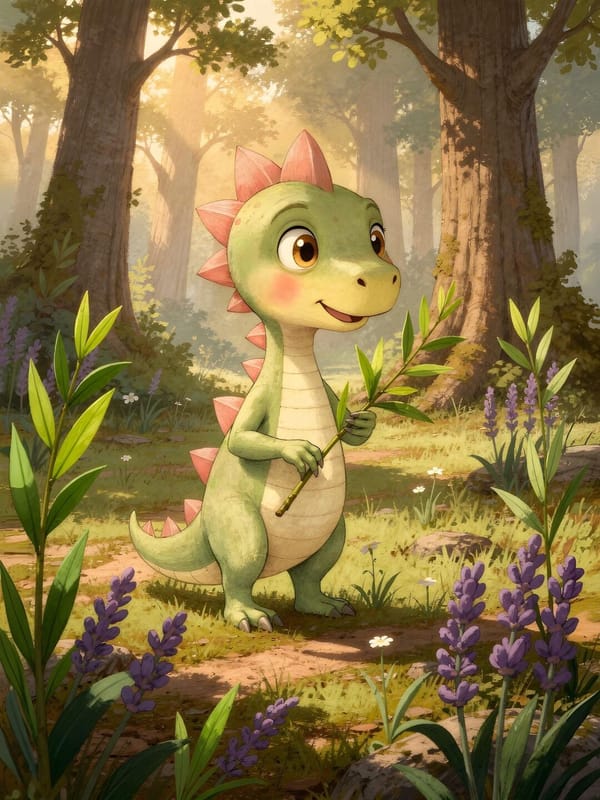
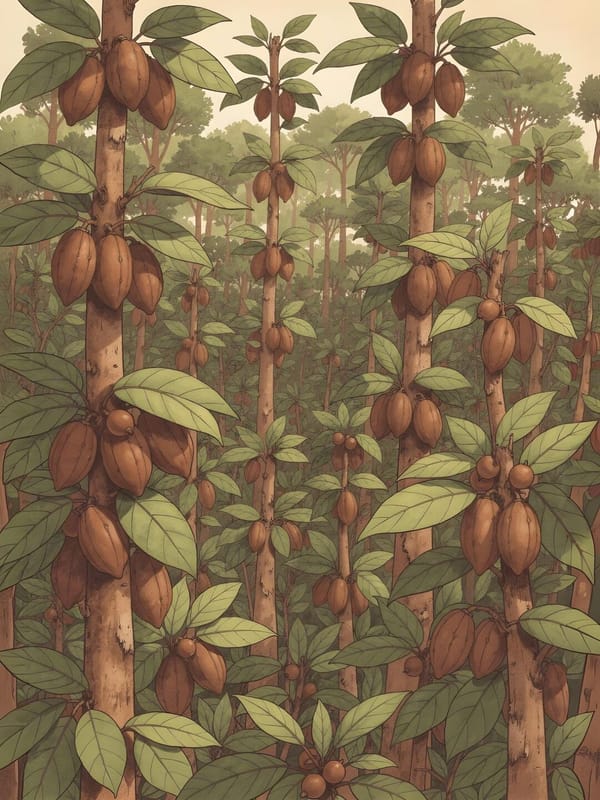
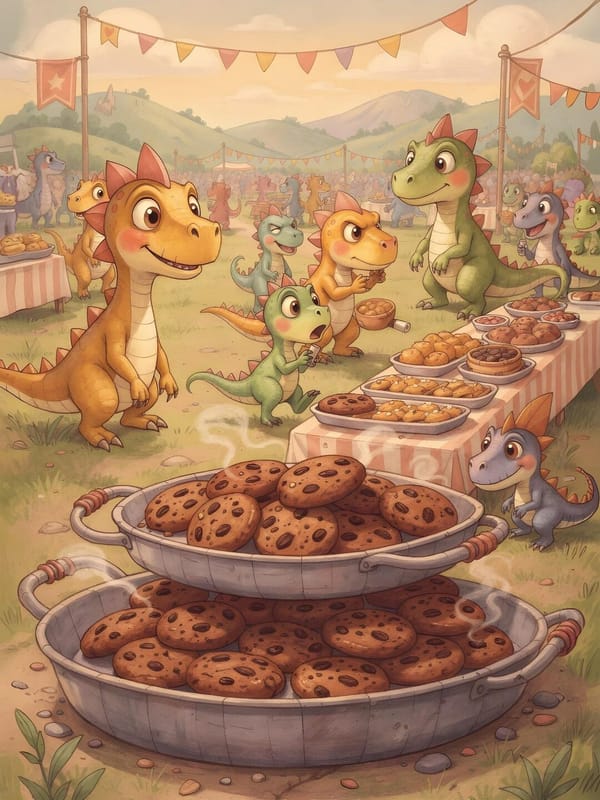
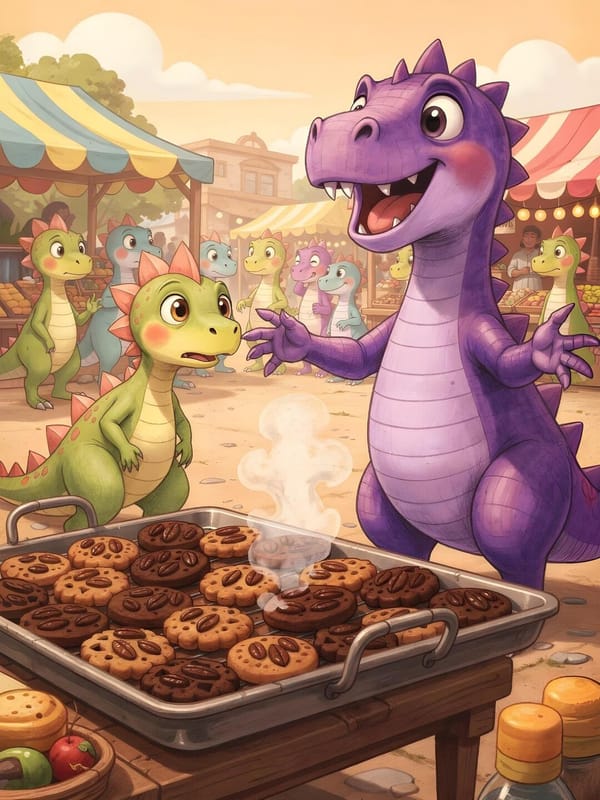
Herbi es una joven dinosaurio a la que no le gusta el cacao. Esto la hace sentirse diferente porque todos los demás dinosaurios de su edad adoran todo lo que se hace con las semillas de cacao y lo consideran «lo mejor del bosque».
🧠 ¿Qué aprenderán las niñas y niños?
- Que sus gustos personales son válidos, aunque sean diferentes a los de la mayoría
- Que decir «no» con educación es respetable y valiente
- A reconocer cuándo están haciendo algo por presión social, no porque realmente lo desean
- Que ceder ante la presión puede hacerles sentir mal, incluso si no hay peligro físico
- Que ser auténtico es más importante que encajar con todos
- Que hacer lo correcto puede ser incómodo, y eso está bien
🤝 ¿Cómo continuar esta conversación?
- «¿Alguna vez has hecho algo solo porque todos lo hacían? ¿Cómo te sentiste después?»
- «¿Hay algo que a tus amigos les encanta pero a ti no te gusta tanto?»
- «¿Cómo te sientes cuando alguien te dice 'tienes que probarlo'?»
- «¿Qué harías si un amigo se ríe de algo que te gusta pero a él no?»
- «¿Es más fácil decir 'no' cuando estás solo o cuando estás con amigos? ¿Por qué?»
- «¿Alguna vez has defendido a alguien que eligió algo diferente al resto?»
- «¿Qué crees que significa ser valiente? ¿Solo hacer cosas difíciles o también decir 'no'?»
🎯 Enfoque educativo
Este cuento aborda un tema fundamental del desarrollo infantil: la autonomía personal frente a la presión de grupo. A través de la experiencia de Herbi con el cacao (un alimento moralmente neutro que simplemente no disfruta), exploramos cómo los niños pueden sentirse obligados a conformarse con las preferencias de la mayoría, incluso en aspectos tan personales como los gustos. El cacao funciona como metáfora de cualquier situación donde un niño siente que debe hacer algo porque «todos lo hacen»: jugar ciertos juegos, ver ciertos programas, vestir de cierta manera. La historia valida la experiencia de malestar emocional que surge cuando cedemos ante presiones externas, incluso cuando no hay consecuencias físicas negativas. Este malestar es real y merece ser nombrado. La figura del abuelo Otto representa el adulto que valida sin juzgar, que no intenta «convencer» ni «educar el paladar», sino que ayuda a Herbi a reflexionar sobre su propia experiencia a través de preguntas. En lugar de dar respuestas, Otto guía a Herbi para que llegue a sus propias conclusiones. Cuando le pregunta «¿Tú qué crees?», le está dando espacio para desarrollar su propia voz interior. Su observación de que «todos somos un poco diferentes, aunque no todos tienen el valor de admitirlo» reenmarca la diferencia como algo universal y la autenticidad como un acto de valentía que comienza con la honestidad hacia uno mismo. La escena en la fiesta de cumpleaños de Kito es pedagógicamente rica porque muestra varias dinámicas sociales realistas. Primero, cuando Herbi explica que no le gusta el cacao, la mamá de Kito se sorprende genuinamente. Su sorpresa no es mala intención, pero sin darse cuenta alimenta las burlas de otros niños al marcar a Herbi como inusual. Este es un recordatorio importante para los educadores: incluso nuestras reacciones bien intencionadas pueden hacer que un niño se sienta más expuesto o diferente. Pero entonces sucede algo crucial: Kito, el cumpleañero, valida a Herbi compartiendo que a él tampoco le gustan las bebidas con burbujas. Este momento de apoyo entre pares es pedagógicamente valioso porque: (1) no todos se burlan, lo cual es más realista que presentar al grupo como un bloque monolítico; (2) Herbi descubre que no está sola en tener preferencias diferentes; (3) el aliado es precisamente el cumpleañero, cuya opinión tiene peso social. Los niños aprenden que siempre puede haber alguien que entienda, incluso cuando no lo esperamos. La «pequeña victoria tranquila» que Herbi siente al final no es triunfalista ni perfecta. Todavía siente calor en las mejillas. Todavía es difícil. Pero hay algo nuevo: la sensación interna de haber sido fiel a sí misma. El cierre del cuento es honesto y directo: «Lo sencillo habría sido comerse la tarta, pero ella prefirió ser fiel a sus gustos, eligió ser valiente.» Este mensaje reconoce que la autenticidad requiere una elección consciente y valentía, especialmente cuando lo fácil sería ceder. Los niños aprenden que el valor no está solo en hacer cosas difíciles, sino también en sostener nuestras preferencias personales cuando hay presión para conformarse.